Egyptian and Chinese texts on herbal teas go back more than 3000 years. Even before the written word this method of healing people must
have existed.
Another name for herbal tea is tisane or infusion.
Herbal tea, tisane and infusion is made first of all, by boiling water, leaving it for 3 minutes, before pouring the water over the
dried or fresh herbs.
For 1 cup use 1 tsp of dried herbs or 1 tbsp of fresh herbs, pour hot water over the herbs, put a lid on the cup, leave to steep for 4 - 7 minutes, then strain.
A normal teapot holds roughly 1 litre of water, use 5 tsp of of dried herb or 5 tablespoons of fresh herbs. Pour hot water on the herbs, leave it to steep for 4 -
7 minutes, then strain. Make every day a fresh batch.
If desired, honey, sugar, slices of lemon,
orange or lime may be added. When adding honey make sure the herbal tea is below 50
℃, above 50
℃ it looses its properties. When adding citrus juice make sure the herbal tea is below 70
℃, above it will destroy vitamin C.
When roots, bark or seeds are used, they need a longer time
to release their active ingredients, this is referred to as a
decoction.
The material should be chopped or bruised, to
help to speed up the process.
Use 1 tsp of dried herbs or 1 tbsp of fresh herbs
to 250 ml of cold water.
Bring to the
boil and simmer for 20 minutes. Allow the ingredients to cool down in the liquid, strain.
If desired honey, sugar, slices of lemon,
orange or lime may be added. A decoction should be made fresh every day.
In general drink a wineglass or small cup 3 x a day before a meal. For 1 or 2 days for minor problems such as a mild sore throat, for several days for a cold, for several weeks for chronic problems. With long term problems when you see them improving, reduce the amount gradually till you no longer need it.
In choosing the herbs I’ve tried to use herbs/spices that are effective, easy to procure, they either grow around us or we keep them in our fridge (ginger) or store cupboard (spices). Just a few may need to be bought.
Some common terms you may come across when reading about
herbs:
Demulcent – a
substance in the herb that soothes the bronchials and eases coughing.
Expectorant – a
herb that helps get rid of excess mucus in the lungs.
Diuretic – a herb
that helps increase the flow of urine.
Carminative – a herb to settle upset stomachs and dispel wind. It may also ease heartburn.
Below is a list of the most common ailments and the herbs one can use.
After this section there is a list of herbs in more detail, followed by some recipes.
Cayenne pepper– in particular for mucus.
Cinnamon – soothes aches and pains.
Cloves – expectorant.
Dog Rose – antioxidant; vitamin C.
Elderflowers – lowers fever.
Ginger –loosens up congestion.
Lemon – antibacterial; vitamin C; acts as a defence against
germs.
Lemon balm – feverish colds.
Lemon verbena – feverish colds.
Liquorice – expectorant.
Karkadé – helps lower fever.
Mint – stimulates sweating.
Savory – expectorant.
Turmuric – anti viral.
Herbs for respiratory
tract:
Aniseed - expectorant, dry coughs.
Honey – soothes a sore throat.
Lemon balm – chronic, bronchial catarrh.
Lime leaves– expectorant.
Liquorice – expectorant.
Marigold – throat ulcers.
Sage – gargle for sore throats.
Thyme – dry cough; bronchitis; bronchial cough; asthma;
laryngitis; tonsillitis.
Herbs for digestion:
Aniseed - improves digestion
Basil – aids digestion; settles the stomach; relieves
nausea.
Bayleaf – stimulates digestion.
Chamomile – antiseptic; antispasmodic; anti-inflammatory.
Fennel – stimulates appetite; anti flatulence; indigestion;
colic; general upset stomach.
Juniper berries – aids digestion.
Lavender – in particular for wind.
Lemon verbena – indigestion.
Lime leaves – improves digestion; relaxes spasms.
Liquorice – stomach ulcers.
Mint – aids digestion; stops feeling sick.
Parsley – stimulates digestion.
Rosemary – improves digestion; digestive problems associated
with anxiety.
Sage – improves digestion.
Savory – improves digestion; indigestion;
nausea; colic.
Thyme – indigestion.
Herbs for liver and
gall and intestinal problems:
Aniseed - tonic
Blackberry – diarrhoea.
Dandelion – tonic for the liver.
Dog Rose – diarrhoea; gastritis.
Marigold – gastro-intestinal ulcers.
Rosemary – stimulates liver and gall bladder.
Sage – tonic for the liver; stimulates the liver.
Thyme – gastritis; diarrhoea.
Herbs for arthritis
and gout:
Blackberry – for gout.
Dandelion - soothes rheumatism and gout.
Juniper berries – removes uric acid.
Nettles – removes uric acid.
Rosemary – gout and rheumatism.
Thyme – rheumatism; arthritis.
Herbs for heart
and bloodvessels:
arteries in red, veins in blue
Nettles - tonic for bloodvessels.
Rosemary – improves circulation.
Sage – improves circulation.
Herbs for the nervous
system:
Basil – improves concentration; mentally uplifting.
Chamomile – calms.
Lavendel – calming and anti-depressant.
Lemon balm - tension; depression; sedative.
Rosemary – depression; apathy; nervous exhaustion; headaches
associated with nervous tension.
Tilia – calms the nerves.
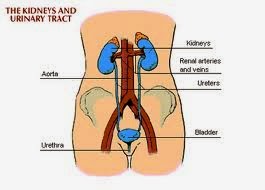
Herbs for kidneys and
urinary tract:
Juniper berries – to treat urinal tract infections.
Karkade - tonic for the kidney.
Parsley – strong diuretic, kidney problems.
Herbs for sleep disorders:
Chamomile – calms and restores the nerves.
Lavender – calms and relaxes.
Lemon balm - sedative.
Lemon verbena – relaxes and soothes.
Tilia – calms the nerves.
General information on herbs mentioned above:
Aniseed – Pimpinella anisum
A stimulant herb that improves digestion, benefits the liver
and circulation and has expectorant and oestragenic effects. Internally for dry
coughs, indigestion, wind and colic.
Parts used: leaves and seeds
Basil –
Ocimum basilicum
Originally from India.
The leaves should be harvested before it flowers.
By drying, basilicum looses a lot of its properties. It encourages appetite, is an antispasmodic, aids digestion, settles
the stomach, relieves nausea, improves concentration, mentally uplifting.
Parts used: leaves
Bay leaf – Laurus
nobilis
In ancient Greece, bay leaf wreaths were given to the
victors at the Pythian Games held in Delphi, in honour of the god
‘Apollo’.
The term ‘poet laureat’ is
associated with the latin name,
Laurus
nobilis as well as Apollo being the god of poets and writers.
Bayleaf is used in cooking. It is added to
sauces, stews and soups. The leaves can be harvested throughout the year.
They stimulate the digestion, help with
indigestion, poor appetite, colic and wind.
Parts used: leaves
Blackberry – Rubus ulmifolius
Another name for Blackberry is Bramble. An old fashioned
name for it is ‘goutberry’ which indicates its traditional use. The dried
leaves are used to treat gout.
Chewed
fresh, to help bleeding gums.
Also
effective against diarrhoea.
Parts used: leaves.
Chili peppers –
Capsicum frutescens
Warms up the body and stimulates the release of built up
mucus in the sinus and respiratory passages.
Chili also causes you to sweat, which results in lowering fever and getting rid off toxins.
Parts used: fruits.
Chamomile – Anthemis nobilis or Matricaria chamomilla
There are many species of
chamomile, but the best for tea is Anthemis nobilis or Matricaria
chamomilla.
Chamomile has antiseptic,
antispasmodic and anti-inflammatory properties. It helps to calm and restore
the nerves and in doing so helps with sleep disorders.
Parts used: flowers.
Cinnamon –
Cinnamomum zeylanicum/Cassia
Soothes aches and pains, natural
pain reliever, antibacterial, antifungal.
It stimulates circulation and increases elimination of toxins.
Parts used: bark.
Cloves – Syzygium aromaticum
Cloves are an expectorant, makes it easier to cough up and eliminate phlegm.
It is a natural pain reliever, high in anti-oxidants, it supports the
immune system.
Parts used: fruit.
Dandelion –
Taraxacum officinale
Regarded as a weed by most gardeners, it has a long
medicinal history.
It is one of the
herbs used in spring as a tonic to restore the liver after it has been working hard during
winter when one tends to eat heavier food. It has a stimulating
influence on the secretion glands of the stomach wall, liver, pancreas,
gallbladder and intestines so that they function better.
It is cleansing, removes excess water from
the body, aids digestion, relieves dyspepsia and eases liver problems. It
soothes rheumatism and gout.
Parts used: leaves.
Dog Rose – Rosa
canina
The Dog Rose got its name from the belief in
the Middle Ages that it could cure rabies, a ‘mad dog bite’. It is an astringent, tonic
herb, rich in vitamins, especially vitamin C.
Internally used for colds, flu, minor infectious diseases, scurvy,
diarrhoea and gastritis.
Parts used: rosehips
Elderflowers –
Sambucus nigra
Once used as a cure for all sorts of ailments. A
cooling herb that lowers fever and reduces inflammation and soothes irritation.
Internally for flu, colds, catarrh, sinusitis. Externally for irritated and
inflamed skin, mouth ulcers.
Parts used: flowers.
Fennel –
Foeniculum vulgare
Very common in our area.
It was well known to the ancient Greeks and Romans, the Greeks used it
for flavouring, the Romans cooked it as a vegetable. Apart from its culinary
uses, the seeds are used to stimulate appetite, against flatulence, indigestion, colic as well as a generally upset stomach. It improves lactation.
Parts used: seeds.
Ginger – Zingiber officinale
Old remedy to relieve a sore throat, it loosens up congestion
due to a cold.
It calms an upset stomach,
helps against nausea, relieves aches and pains and has anti-inflammatory
properties.
Parts used:
the roots.
Glycyrrhiza spec.
–
Liquorice
A herb that has been in use for at least 2500 years. It is
thought to get rid of the toxins in the body. Especially used to treat stomach
ulcers and is a useful expectorant. Often added to tisanes to make them more
pleasant to drink.
Parts used:
roots.
Should not be used by persons with high blood pressure, nor persons who use digoxine (heart medicine).
Honey
To fill up a pot of honey, a bee has to fly 3 x around the
world! Honey is mainly sugar.
Different
types of sugars, main ones are fructose (38.5 %) and glucose (31 %). In total 80%
of honey is made up of sugars, just over 17 % consists of water and the rest just
under 3% are made up of vitamins and minerals. It is soothing and has
antibacterial and antifungal properties.
Juniper berries –
Juniperus communis
It takes 2 years for the berries to mature. When ripe the
berries are black.
They have been used to
flavour gin, they are added to pâtés, sauerkraut, game and meaty stews.
Medicinally the black berries are mainly used for urinal tract infections and
to remove uric acid.
They reduce colic
and wind, stimulate the digestion and uterus.
Parts used: berries.
Should not be given to pregnant women.
Lavender – Lavandula angustifolia
Native to northern Provence.
Do not confuse it with the large flowering lavenders (Lavandin) most of
us have growing in our garden.
Lavandin
does not have the same properties. In flower,
Lavandula angustifolia reaches a height of maximum 60 cm.
There are many cultivars of
Lavandula angustifolia, one of them is
Lavandula ‘Hidcote’.
Lavender works as a
sedative and is antispasmodic.
It has
calming and anti-depressant qualities.
Used for headaches caused by stress, insomnia and to ease flatulence.
The flowers should be picked when they start
to fade.
Parts used: flowers
Lemon Balm – Melissa officinalis
Native to the Middle East, but has now naturalised in Asia, Mediterranean countries, throughout Europe and North America. Lemon Balm was traditionally used to treat tension and depression, ease chronic, bronchial catarrh, headaches, feverish colds and as a sedative.
Parts used: leaves.
–
Aloysia triphylla
Native to tropical America, brought by the Spanish to Europe
in 17
th Century.
Traditionally it was used to scent finger bowls at feasts and to give
fragrance to soaps and perfumes.
An
astringent, aromatic herb rich in essential oils, that acts as a mild sedative,
relieving spasms, especially of the digestive system and reducing fever.
Parts used: leaves.
Lime Tree –
Tilia
The wood of the Lime or Linden tree is lightweight and pale
in colour.
It is used in carving and
musical instruments. In spring when the lime tree is in flower, the scent is intoxicating. The flowers are a diuretic and expectorant, calm the nerves, lower blood
pressure as it attacks the atherosclerosis in the arteries, increase perspiration rate, relaxes spasms. Mostly used
for its calming influence.
Parts used: flowers.
Karkadé/Roselle/Sudanese
Tea –
Hibiscus sabdariffa
Native to West Africa, but now found in many parts of
tropical Asia and South America. The
flowers are pale yellow with a dark red spot in the middle. An aromatic, astringent, cooling herb,
diuretic, provides Vitamin C and helps to lower fever. A tonic for the digestive system and kidneys. Mainly used worldwide as an acid flavouring
agent.
Parts used: flower calices.
Marigold –
Calendula officinalis
The local Marigold, Calendula arvensis, depending on the
weather, normally starts flowering in February. The flowers are small, compared to the
larger Calendula officinalis. Often added to skin creams to treat skin ulcers or slow healing wounds. As
a tisane to treat ulcers in mouth, throat and in the gastro-intestinal tract,
painful periods and delayed menstruation.
It reduces inflammation, stems bleeding and heals damaged tissues.
Parts used: flowers.
Do not take during pregnancy as it stimulates the womb.
Mint – Mentha spp.
There are at least 30 species of mint. They have a habit of
cross-pollinating to produce just one general, unspecified sort of mint. To
prevent this from happening pinch out the buds before they flower. It is used
in deserts, drinks and meat dishes. Grown near roses, mint helps to reduce
aphid infestations. All mints can be used, but Mentha piperita is favoured. Mint
relaxes the muscles of the digestive tract, stimulates the gall flow, hence it
helps to treat indigestion, flatulence and colic. It stops you feeling sick and stimulates sweating
with fever and flu.
Parts used: leaves
Never give mint to babies in whatever form. Do not drink at
night time as it stimulates.
Nettles – Urtica
dioica
Till
recently, in
folk medicine, arthritis and rheumatism sufferers used to flagellate themselves
with nettle branches to relieve the pain. Nettles absorb minerals, especially iron, from
the soil.
They are a good tonic for
anaemia, nettles contain a lot of vitamin C.
Vitamin C facilitates the absorption of iron
into the blood. Nettles works as a diuretic, they remove uric acid from the
body and in doing so improve the condition of gout and arthritis
sufferers.
The leaves should be
harvested in spring.
Parts used: young stalks and leaves.
Parsley –
Petroselinum crispum
It is one of the most common culinary herbs.
Rich in vitamins, especially vitamin A and C and minerals. Just like nettles, parsley absorbs the minerals from the soil and stores them in the leaves. It is a diuretic
herb, reduces inflammation, and clears toxins. It stimulates the digestion and
uturus.
In excess it is toxic especially
the essential oil.
Parts used: leaves.
Do not use in great quantity during pregnancy.
Rosemary –
Rosmarinus officinalis
Greek scholars wore garlands of rosemary when they were
sitting examinations to improve their memory.
Queen Izabella of Hungary (72 years old) claimed that she had regained
her strength and beauty (she was crippled with gout and rheumatism) by using
Hungary water, rosemary tops macerated in alcohol, that the King of Poland
proposed to her. It relaxes spasms, relieves pain and increases perspiration.
It stimulates the liver, gall bladder, improves digestion. Internally for
depression, apathy, nervous exhaustion, headaches associated with
nervous tension, poor circulation and digestive problems associated with
anxiety. Externally for rheumatism, arthritis, neuralgia, muscular injuries,
wounds, dandruff and hair loss. Leaves can be harvested through the year.
Parts used: stalks and leaves.
Do not take during pregnancy. Do not drink for more than a few days at a time. It is a stimulating herb so do not drink at night.
Sage – Salvia officinalis
Salvia is widely used as a culinary herb.
It has always been associated with
longevity.
It was often planted on
graves with other herbs that improve memory.
During the China trade for tea in the 19th century, the Chinese
would trade 2 boxes of tea for 1 box of sage. The purple variant of Sage is
considered to be better than the green variety. It stimulates the liver and digestion. It is a tonic for the liver and improve blood circulation.
It decreases the milk production when
breastfeeding is being stopped and decreases sweating at night during the
menopause.
Parts used: leaves
Do not take in large quantity during pregnancy. Do not use if you are suffering from epilepsy. It should not be taken more than a few weeks at a time.
Savoury – Satureja Montana
An antiseptic, astringent, warming herb, that improves the
digestion, increases perspiration and has expectorant effects. It stimulates
the uterus and nervous system. Internally for indigestion, nausea, colic,
diarrhoea, bronchial congestion, sore throats.
Raises blood pressure. Principally used for gastric complaints, to
stimulate appetite and aid the digestion.
Parts used:
leaves and shoots.
Do no use during pregnancy
.
Thyme – Thymus
vulgaris
Thyme is widely used in cooking as an aromatic herb. It
works as an expectorant, improves digestion, relaxes spasms and controls
coughing.
It is strongly anti-septic and
anti-fungal. Internally for dry coughs, whooping cough, bronchitis, bronchial
catarrh, asthma, laryngitis, indigestion, gastritis and diarrhoea.
Externally for tonsillitis, gum disease,
rheumatism, arthritis and fungal infection.
Parts used: foliage and flowers.
Do not use in excess during pregnancy. Do not for more than 2 to 3 weeks without a few days' break.
Turmeric – Curcuma longa
Native to south-east Asia.
An essential ingredient in curries and curry powder. It stimulates the digestive, circulatory and
respiratory systems and uturus. Has anti-inflammatory and antibiotic effects.
Relieves catarrh.
Parts used: rhizome.
Recipes
Decoction for colds or fever:
Juice of ½ lemon; 1 stick of cinnamon (coarsely ground); 1/2 stick of liquorice (bashed into several pieces); 3 slices of
fresh ginger cut fine; ¼ tsp cloves (coarsely ground); ½ tsp turmeric; pinch of chili pepper; 3 cups of
water; 1 ½ tbsp of honey.
Mix all ingredients apart from honey and lemon in a pan,
bring to the boil and simmer for 20 minutes, let it cool down a bit, strain,
add lemon juice and honey.
Infusion for throat ache and laryngitis:
½ handful of fresh sage leaves; ½ handful of fresh rosemary
leaves; ½ lemon; honey to taste.
Mix herbs into a teapot, pour 1 liter of hot water of them. Leaves for 10 minutes, strain, add the juice
of ½ lemon and the honey. Gargle with this every 2-3 hours, a wineglass full.
Swallow it after the gargle. The tea is a disinfectant and healing.
Infusion of better digestion – 2 suggestions for after meal teas:
1 tsp of dried chamomile; 1 tbsp of dried fennel seeds
(bruised); 2 fresh sage leaves or ½ tsp if dried sage; 600 ml of hot water;
honey optional. Mix herbs into a teapot, pour the hot water over it. Leave for 10 minutes, strain.
or
4 tsp of dried chamomile; 3 to 4 sprigs of fresh mint or 1
tsp of dried mint; 600 ml of hot water.
Mix herbs into a teapot, pour hot water over it. Leave for 10 minutes, strain.
Detox method for the liver:
- Drink Dandelion Tea after each meal, plus mid morning and mid afternoon.
- Every morning on rising drink one or two glasses of lemon water. Try to drink five more of this during the day.
- Do not eat sugar, honey or other refined carbohydrates.
- Take 2 x day a multivitamin and a mineral tablets.
Regime over 3 weeks:
Vegetables that are particular good for the liver:
Alfalfa sprouts, Artichokes – Globe as well as Jerusalem artichoke, Bean sprouts, Beetroot, Cabbage – broccoli and other members of the cabbage family, Fennel, Garlic, Leeks, Onions, Parsley, Radish, Turnip, Watercress.
Fruits that are good for the liver:
Apples and pears, Apricot, Avocado, Banana, Berries, Cranberries, Grapefruit, Grapes, Lemons, Oranges, Papaya, Pineapple, Watermelon.
Week 1:
Fruit - citrus fruits/apples/pears/ a few bananas.
Vegetables - no potatoes, tomatoes, peppers, aubergines, mushrooms, olives and avocado, dried lentils, beans or sprouts of various beans.
Fish - not smoked, no tuna.
Grains - brown rice/brown rice flour/flaked rice/rice cakes.
Drinks dandelion root tea/rice milk/still mineral water.
Avoid soy and soy products.
Week 2:
Add the following to Week 1.
Potatoes/tomato/peppers/aubergines/avocado.
Grains -porridge oats/barley/rye/rye biscuits/millet/buckwheat/flour and pasta made from these.
Poultry – chicken/eggs/duck/turkey/goose.
Drinks – green tea/herbal tea, though ground dandelion root is still better/oat milk.
Week 3:
Add the following to Week 2.
Sprouts of various beans and seeds.
Grains – wheat and corn, wholemeal flour, wholemeal pasta, polenta, keep avoiding bread.
Legumes – red, yellow and brown lentils, dried beans including chickpeas.
Decoction for constipation:
1 tbsp. of dandelion root; 1/2 stick of liquorice; 1/2 tbsp. aniseed. Add 750 ml of water. Bring to the boil and simmer for 20 minutes until the liquid is reduced by about 2/3. Steep and allow the ingredients to cool down in the liquid. Strain into a cup. Drink 1 cup 3 x a day.
Infusion for indigestion and acidic stomach:
1 tsp. fennel seeds; a tbsp. of melissa leaves (dried), pince of cinnamon. Cover the leaves with hot water, leave for 10 mins. Drink after dinner.
Infusion for flatulence:
1.5 tsp. of fennel seeds; 1.5 tsp chamomile flowers; 1/2 tsp of mint. Cover the leaves with hot water, leave for 10 mins. Drink after dinner.
Wake me up tea:
3 tsp. dried marigold flowers; 2 tsp dried lemon verbena; 2 tsp dried crushed rosehips; 600 ml of hot water.
Karkadé:
1/2 cup of dried hibiscus flowers to 3 cups of water. Bring to the boil, boil slowly for 3 minutes. Add 2 tbsp. sugar. This drink can be drunk cold as well.
Soothing bed time drink, suitable for colds and sore throats as well:
1 tsp dried chamomile, cover flowers with hot water. Leave to cool a bit. Add honey to taste.